Understanding "Münster Wetterfühlig": When the Weather Gets Under Your Skin
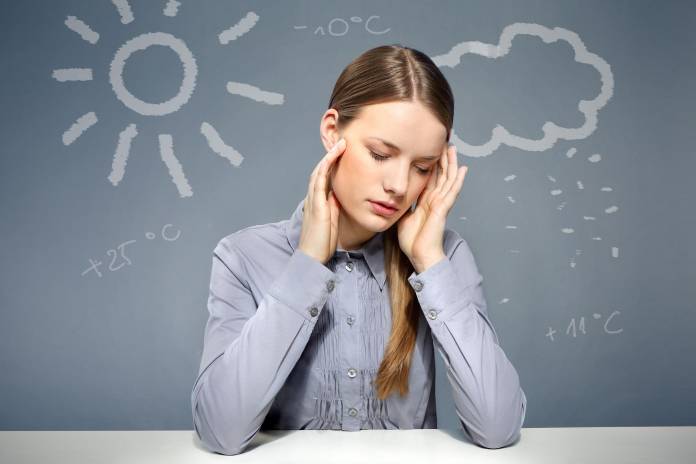
For many residents of Münster, the changing weather isn't just a topic for small talk; it's a profound influence on their daily well-being. The term "münster wetterfühlig" captures this phenomenon perfectly: the unique sensitivity many people in this charming German city feel towards meteorological shifts. While some might dismiss it as mere complaining, the science of bioweather confirms that fluctuations in temperature, humidity, and air pressure can indeed trigger a host of physical and psychological symptoms. What once might have been a thrilling thunderstorm in youth can become a source of dread and discomfort as one matures, turning what should be a pleasant day into a struggle against headaches, fatigue, and irritability.
From the heavy, oppressive mornings brought by sudden humidity to the crisp, clear days that lift spirits, the weather in Münster plays a significant role in how individuals feel, think, and even perform. This article delves into the specifics of weather sensitivity in Münster, exploring its symptoms, triggers, and offering practical strategies to help you navigate its effects and maintain your well-being, even when the forecast isn't in your favour. For a deeper dive into general weather sensitivity, you might find münster wetterfühlig - Article 1 insightful, and for more localized insights, check out münster wetterfühlig - Article 2.
Unpacking "Wetterfühligkeit": Common Symptoms and Their Triggers
Weather sensitivity, or Wetterfühligkeit, is far from a singular experience; it manifests in a diverse range of symptoms, impacting both our mental and physical states. In Münster, as elsewhere, individuals report a variety of reactions to specific weather conditions. Understanding these common symptoms and their meteorological triggers is the first step toward managing their impact.
Psychological and Cognitive Impacts: More Than Just a Bad Mood
The brain is remarkably sensitive to environmental changes. For many münster wetterfühlig individuals, several weather factors can disrupt their psychological and cognitive balance:
- Mood Swings and Irritability: High humidity, sudden temperature shifts, and significant pressure changes are often culprits. Imagine a morning where the air feels "bleischwer" (lead-heavy) and humid; such conditions can make feelings of unease and tension bubble to the surface, leading to unexpected irritability.
- Concentration Problems: A lack of natural light, combined with oppressive heat, can make it difficult to focus. Tasks that usually come easily might suddenly feel insurmountable, impacting work performance and daily productivity.
- Fatigue and Listlessness: Many report feeling tired, sluggish, and generally drained, especially when warm temperatures are accompanied by low air movement or high humidity. This can negatively affect deep sleep, leaving individuals feeling unrested even after a full night's sleep.
- Extended Reaction Time and Accident Risk: Beyond just feeling slow, some weather patterns can genuinely prolong reaction times, increasing the risk of accidents, particularly on the roads or in complex tasks.
Physical Ailments: From Headaches to Joint Pain
Beyond the mental fog, weather sensitivity frequently manifests as tangible physical discomfort. The body's intricate systems react to atmospheric changes, leading to a spectrum of aches and pains:
- Headaches and Migraines: This is one of the most commonly reported symptoms. Fluctuating air pressure, high or rapidly changing humidity, and the presence of specific weather fronts (like Föhn or impending thunderstorms) can act as powerful triggers for both tension headaches and full-blown migraines. The poetic description of "Kopfschmerz" showing up when the weather turns "tropisch" resonates with many.
- Joint, Limb, and Muscle Pain: Rheumatics, in particular, often complain of increased pain in their joints, limbs, and muscles, especially during cool morning hours or when humidity is high. Scar tissue can also become more sensitive and painful.
- Cardiovascular Stress: While not a pain symptom, the cardiovascular system is highly susceptible. Warmer temperatures and minimal air movement can cause dizziness and fatigue in individuals with low blood pressure. Conversely, colder air currents or sudden increases in wind can elevate blood pressure, posing a risk for those with hypertension. High humidity further complicates the body's ability to regulate its temperature, placing additional strain on the circulatory system, especially for those with existing heart conditions.
These varied responses highlight that Wetterfühligkeit is a complex interplay between external environmental factors and individual physiological and psychological predispositions. Recognizing these patterns in Münster's ever-changing climate is the first step towards mitigation.
The Münster Climate and Your Well-being: Specific Impacts
Münster, with its unique blend of urban charm and surrounding nature, experiences a climate that, while generally temperate, features distinct shifts capable of triggering weather-related discomfort. The local bioweather reports often highlight conditions that specifically affect residents, making münster wetterfühlig a relevant concern for many.
Münster's Atmospheric Dance: How Local Conditions Affect You
The specific combination of weather factors in Münster can create a challenging environment for sensitive individuals. For instance, when the region experiences "mildes Wetter, mäßige Luftfeuchtigkeit und frischer Wind," it might sound pleasant, but even these seemingly gentle conditions can have specific physiological impacts depending on individual sensitivity:
- Humidity's Heavy Hand: Münster often experiences periods of elevated humidity. This can make the air feel "drückende Schwüle" (oppressive humidity), hindering the body's natural cooling mechanisms. When sweat struggles to evaporate, the body's core temperature regulation becomes inefficient, placing extra strain on the cardiovascular system. This is particularly problematic for those with pre-existing heart conditions.
- Temperature Swings: The transition periods in Münster, especially between a cool May and a sudden tropical warmth, or from warm days to cool mornings, are notorious for exacerbating symptoms. Rapid temperature drops can trigger blood pressure increases in hypertensive individuals, while sustained warmth can lead to lethargy for those with low blood pressure.
- Air Pressure Changes: While often imperceptible, changes in atmospheric pressure can have a profound effect. These shifts can affect fluid balance in the body, potentially impacting the inner ear (contributing to dizziness) or causing expansion of tissues around joints and sinuses, leading to increased pain and headaches.
- Lack of Light: Grey, overcast days, common in certain seasons, contribute to light deficiency. This can directly impact mood, energy levels, and even sleep cycles, making individuals feel more susceptible to other weather-related stressors.
The contrast between the desired "leichten Regen, klare Tage, wohl temperierte milde Luft" (light rain, clear days, well-tempered mild air) and the actual, often challenging, weather patterns underscores the importance of understanding Münster's specific bioweather influences on well-being.
Navigating Weather Sensitivity: Practical Strategies for Münster Residents
Living with Wetterfühligkeit doesn't mean resigning yourself to discomfort. By understanding your body's reactions and implementing proactive strategies, you can significantly mitigate the effects of challenging weather in Münster. It's about empowering yourself to adapt, rather than simply enduring.
Proactive Steps for a More Comfortable Life
Here are actionable tips tailored for those dealing with münster wetterfühlig:
- Monitor Local Bioweather Forecasts: Make it a habit to check specific bioweather reports for Münster (available on health portals and news sites). These forecasts often highlight potential impacts on mood, pain, and circulation, allowing you to anticipate challenging days and plan accordingly. Knowing a headache is likely can help you prepare with medication or plan a lighter schedule.
- Prioritize Hydration: Staying adequately hydrated is fundamental. Dehydration can exacerbate headaches and fatigue, especially during humid or rapidly changing weather conditions. Keep a water bottle handy throughout the day.
- Optimize Your Sleep Environment: When weather causes disturbed sleep or fatigue, make your bedroom a sanctuary. Ensure it's cool, dark, and quiet. Consider light-blocking curtains or a white noise machine. Maintaining a consistent sleep schedule can also help regulate your body's internal clock.
- Dress in Layers: Münster's weather can be unpredictable, with significant temperature swings even within a single day. Dressing in layers allows you to easily adjust your clothing to maintain a comfortable body temperature, reducing stress on your circulatory system.
- Engage in Moderate Exercise: Regular physical activity, even light walks, can improve circulation, boost mood, and help the body adapt to environmental stressors. On days with pleasant weather, take advantage of Münster's beautiful surroundings – a stroll around the Aasee or through the Schlossgarten can be incredibly refreshing.
- Mindful Stress Management: Weather sensitivity can itself be a source of stress. Incorporate stress-reducing practices like mindfulness, deep breathing exercises, or gentle yoga into your routine. These can help to calm the nervous system and potentially reduce the intensity of symptoms like irritability or headaches.
- Maintain a Balanced Diet: A nutritious diet supports overall body resilience. Some individuals find that certain foods can trigger or worsen symptoms, especially migraines. Pay attention to your body's responses and avoid known triggers.
- Consult a Healthcare Professional: If your symptoms are severe, persistent, or significantly impact your quality of life, it's crucial to speak with a doctor. They can rule out underlying conditions, offer specific treatments for chronic pain or migraines, and provide personalized advice for managing weather sensitivity.
Beyond the Forecast: Understanding Long-Term Adaptations
While immediate strategies are crucial, developing a long-term approach to weather sensitivity in Münster can foster greater resilience and overall well-being. It's about creating a lifestyle that supports your body and mind, irrespective of what the skies bring.
Building Resilience to Weather Challenges
Our bodies change with age, as does our relationship with the weather. The youthful joy in storms may give way to a preference for gentle, stable conditions, as observed in the poetic sentiment. This evolution in perception underscores the need for continuous adaptation:
- Holistic Health Approach: Think of managing weather sensitivity as part of a broader commitment to holistic health. This includes not just diet and exercise, but also mental health practices, ensuring adequate rest, and nurturing social connections. A strong foundation of general health makes the body more capable of coping with external stressors.
- Indoor Climate Control: When outdoor conditions are particularly challenging (e.g., extreme humidity or cold), pay attention to your indoor environment. Use humidifiers or dehumidifiers as needed, ensure good ventilation, and maintain a comfortable room temperature to create a personal refuge from harsh bioweather.
- Self-Compassion and Awareness: On days when the weather truly gets you down, practice self-compassion. The reports suggest that on difficult bioweather days, "Nachsicht walten lassen" (let leniency prevail) is wise. Understand that your body is genuinely reacting, and it's okay to slow down, adjust your plans, and be kind to yourself. Recognize your patterns and learn to respect your body's signals.
- Community Connection: Discussing your experiences with others who are also münster wetterfühlig can be validating and provide new insights or coping strategies. Knowing you're not alone in feeling these effects can be a source of comfort.
Conclusion
The phenomenon of münster wetterfühlig is a tangible reality for many residents, profoundly influencing their daily lives. From the oppressive humidity that brings headaches and irritability to the crisp air that can exacerbate joint pain or affect blood pressure, the weather in Münster is more than just a backdrop; it's an active participant in our well-being. By understanding the specific symptoms and triggers, paying attention to local bioweather forecasts, and adopting proactive strategies—from hydration and sleep optimization to mindful stress management and appropriate clothing—you can significantly improve your quality of life.
Embracing a holistic approach to health and practicing self-compassion are key to building long-term resilience. While we cannot change the weather, we can certainly change how we respond to it. By staying informed and taking thoughtful steps, you can navigate Münster's climatic shifts with greater comfort and vitality. For further exploration of this topic, remember to check out münster wetterfühlig - Article 1 and münster wetterfühlig - Article 2.